









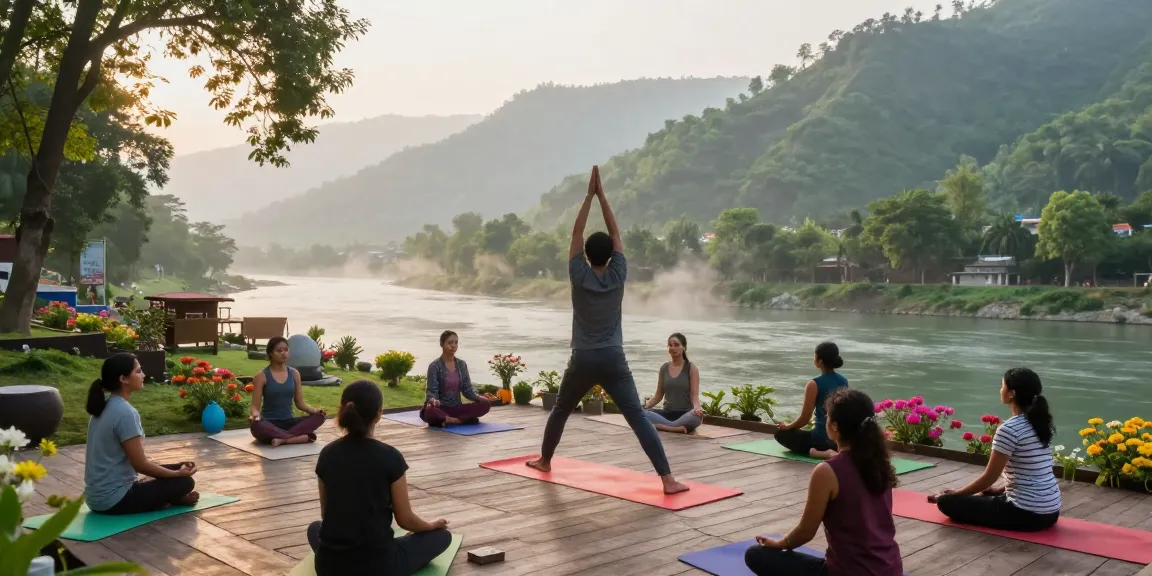
Understanding Hatha Yoga: Foundations and Benefits
Hatha Yoga has become a cornerstone of wellness practices worldwide, known for its balance of physical postures and breath control. This ancient discipline, rooted in tradition, offers practitioners numerous benefits, including physical health and mental clarity. As more individuals seek to deepen their yoga practice, exploring comprehensive training programs, such as hatha yoga courses, provides invaluable insights into advanced techniques and philosophies.
What is Hatha Yoga?
Hatha Yoga is a branch of yoga that emphasizes physical postures (asanas), breath control (pranayama), and meditation. It serves as a foundation for many other yoga styles, integrating a holistic approach to cultivate physical strength, flexibility, and mental focus. Practicing Hatha Yoga is not just about performing poses; it’s about synchronizing body and mind, fostering an environment of tranquility and inner peace.
Physical and Mental Benefits of Hatha Yoga
The physical benefits of Hatha Yoga include enhanced flexibility, increased strength, improved posture, and better overall health. Regular practice can help alleviate stress, reduce muscle tension, and promote relaxation. On the mental level, Hatha Yoga encourages mindfulness, helping practitioners develop a clearer mind and greater concentration. The combination of physical and mental training fosters resilience and well-being that extends beyond the mat.
Key Principles of Hatha Yoga Practice
- Breath Control: Focusing on the breath is essential in Hatha Yoga, as it helps regulate energy and bring awareness to the present moment.
- Mindfulness: Practitioners are encouraged to be fully present during their practice, enhancing self-awareness and focus.
- Alignment: Proper alignment ensures safety and maximizes the benefits of each pose, allowing for deeper engagement and understanding of the body.
Exploring Hatha Yoga Courses
With the rising popularity of yoga, numerous training programs are now available, each offering unique approaches and methodologies. Understanding the varieties and structures of these courses is essential for aspiring instructors and dedicated practitioners alike.
Types of Hatha Yoga Courses Available
Hatha Yoga courses can range from certification programs for aspiring instructors to intensive workshops for personal development. Common types include:
- 200-Hour Teacher Training: Often considered the standard foundation for yoga instructors, this course covers essential asanas, teaching methodologies, and an introduction to yoga philosophy.
- 300-Hour Advanced Training: For those looking to deepen their expertise, this course builds on the 200-hour foundation, offering advanced techniques and deeper insights into the practice.
- Intensive Retreats: These short-term programs provide focused immersion in Hatha Yoga, ideal for practitioners looking to disconnect and delve deeper into their practice.
Key Components of a Hatha Yoga Course
A well-structured Hatha Yoga course will typically include:
- Asana Practice: Daily practice of various postures to enhance flexibility and strength.
- Pranayama: Techniques that teach control over the breath, promoting relaxation and focus.
- Yoga Philosophy: Insights into the roots of yoga, including its ethics and spiritual connections.
- Teaching Methodology: Training on how to effectively communicate and teach students.
How to Choose the Right Hatha Yoga Course
Selecting the most suitable Hatha Yoga course is crucial for achieving your personal goals. Consider the following factors:
- Experience Level: Ensure the course aligns with your current skills, whether you are a beginner or an experienced practitioner.
- Curriculum: Review the syllabus to ensure it covers the topics and techniques you wish to learn.
- Instructor Credentials: Research the qualifications and teaching style of the instructors to ensure they resonate with your learning preferences.
- Location and Environment: The setting of your course can significantly impact your experience; choose a location that promotes peace and relaxation.
Preparing for Your Hatha Yoga Course Journey
Preparation is key to maximizing your experience during a Hatha Yoga course. Taking the time to align your mindset and physical readiness will enhance your overall journey.
Essential Prerequisites for Hatha Yoga Courses
While many Hatha Yoga courses are designed for practitioners of all levels, some prerequisites may include a basic understanding of yoga, prior physical activity, or a willingness to learn. It’s beneficial to arrive with an open mind and a positive attitude, ready to embrace the transformative journey ahead.
What to Pack for Your Yoga Retreat in Rishikesh
As you prepare for your yoga retreat, packing thoughtfully can enhance comfort and convenience. Essential items include:
- Yoga Mat: A personal mat provides comfort and hygiene during practice.
- Clothing: Breathable, comfortable yoga wear, and layers for varying temperatures.
- Water Bottle: Staying hydrated is crucial during your practice.
- Notebook: For jotting down insights and reflections during your learning.
Creating a Personal Practice Plan Before Training
Establishing a personal practice plan can help ground your training experience. Incorporate daily practices that focus on breathwork, asana, and mindfulness to prepare both your body and mind for the training ahead.
The Transformative Experience of Hatha Yoga Training
Embarking on a Hatha Yoga training journey is not merely about acquiring skills; it is a holistic transformation that encompasses physical, emotional, and spiritual growth. The immersive environment, often within serene settings, encourages deep introspection and community connection.
Daily Schedule Overview in Hatha Yoga Courses
A typical day in a Hatha Yoga course may include:
- Morning Meditation: Starting the day with mindfulness and connection to self.
- Asana Practice: Engaging in physical postures to awaken the body.
- Yoga Philosophy Class: Deepening understanding of yoga’s principles and ethics.
- Evening Pranayama: Ending the day with breathwork to calm the mind.
Benefits of Immersive Learning Environments
Immersion in a dedicated yoga environment facilitates a deeper connection to the practice. The absence of daily distractions enables practitioners to focus on their internal growth and the teachings of yoga. This concentrated learning often leads to profound personal insights and transformations.
Connecting with Community During Training
Building connections with fellow participants enhances the training experience. Sharing insights, challenges, and victories fosters a sense of belonging and support, encouraging collective growth and learning.
Post-Certification: Opening Doors for Yoga Instructors
Achieving certification as a Hatha Yoga instructor opens numerous avenues for personal and professional growth. The skills and knowledge gained can be harnessed to inspire and educate others.
Career Opportunities After Hatha Yoga Certification
Certification can lead to various career paths, including:
- Yoga Instructor: Teaching in studios, gyms, or private settings.
- Corporate Wellness Facilitator: Offering programs in corporate environments to enhance employee well-being.
- Retreat Leader: Organizing and leading yoga retreats for immersive experiences.
Continuing Education and Advanced Certifications
Many certified instructors choose to further their education by pursuing advanced certifications to specialize in particular areas of yoga, such as trauma-informed yoga, restorative yoga, or yoga therapy. This continued education enhances credibility and provides more tools to support students.
Tips for Building a Successful Yoga Teaching Career
As you embark on your yoga teaching journey, consider the following tips for success:
- Network: Build relationships within the yoga community to expand opportunities.
- Develop a Personal Brand: Create a unique teaching style or niche that resonates with your passion.
- Utilize Social Media: Leverage platforms to showcase your classes and connect with a wider audience.
- Stay Inspired: Continue your practice and education to remain engaged and bring fresh perspectives to your teaching.
What are the benefits of Hatha yoga courses?
Hatha Yoga courses offer numerous benefits, including enhanced physical health, improved mental clarity, and the development of teaching skills. These courses provide a structured environment to learn both the art of practice and the science of teaching.
Can beginners join Hatha yoga courses?
Yes, many Hatha Yoga courses are designed to accommodate beginners, making it accessible for anyone interested in starting their journey in yoga.
What should I expect during a Hatha yoga teacher training?
Expect a comprehensive curriculum that addresses not only asanas but also philosophy, anatomy, and teaching methods. The experience often includes daily practice, community building, and personal growth.
Are Hatha yoga courses available online?
Yes, many institutions offer online Hatha Yoga courses, making it easier for individuals to learn and grow at their own pace.
How long does it take to complete a Hatha yoga course?
The duration of Hatha Yoga courses varies. For more information, modern ayurveda wellness offers valuable insights. Certification courses typically range from 200 to 500 hours, while intensive workshops can last from a weekend to several weeks, depending on the depth of the training.